Many buyers and contractors still struggle when choosing gas piping systems. Traditional metal pipes are heavy, difficult to install, and costly in labor. Wrong product selection can also create safety risks and future maintenance problems.
A PEX gas piping system is a multilayer gas transportation solution that uses PEX-AL-PEX gas pipes, fittings, valves, meters, and installation tools to safely distribute natural gas or LPG in residential and commercial buildings.
I have worked in the brass fittings and gas piping industry for nearly twenty years. During this time, I saw the market slowly move away from traditional steel systems toward flexible multilayer piping systems. Contractors now care more about installation speed, corrosion resistance, and long-term reliability. Buyers also want suppliers who can provide complete system solutions instead of single products. This article explains how PEX gas piping systems work and why they continue growing in popularity.
Can PEX pipe be used for gas lines?
Many buyers ask this question during sourcing discussions. Some people confuse standard PEX plumbing pipe with certified gas piping systems. This misunderstanding can create serious problems.
Not all PEX pipes can be used for gas lines.1 Only specially certified multilayer gas pipes, usually PEX-AL-PEX gas pipes2, are designed and approved for natural gas or LPG applications.
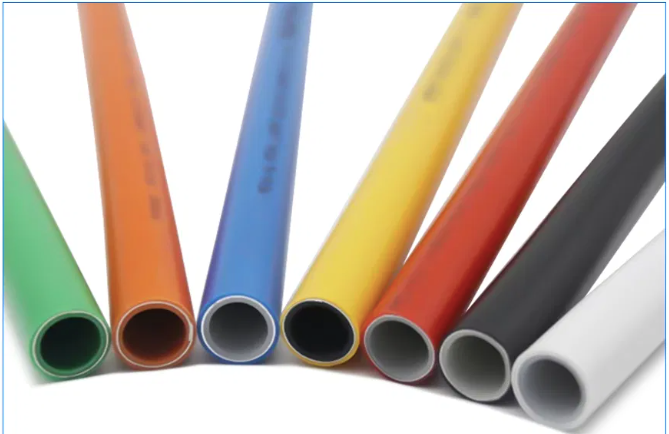
Pex Gas Pipe vs Normal Pex Pipe
Standard PEX Pipe vs Gas PEX Pipe
This is one of the most important differences buyers must understand.
| Type | Application |
|---|---|
| Standard PEX Pipe | Hot and cold water systems |
| PEX-AL-PEX Gas Pipe | Gas transportation systems |
Regular plumbing PEX pipes are not designed for gas transportation. Gas systems require stronger barrier protection and higher safety standards.
Why Gas Systems Need Special Pipe Structure
Gas piping systems face different challenges compared to water systems.
Gas permeability
Standard plastic materials may allow gas leakage over time.
Pressure stability
Gas systems require long-term pressure resistance.
Safety certification
Gas products must pass strict testing standards.
This is why gas piping systems usually use multilayer structures with aluminum cores.
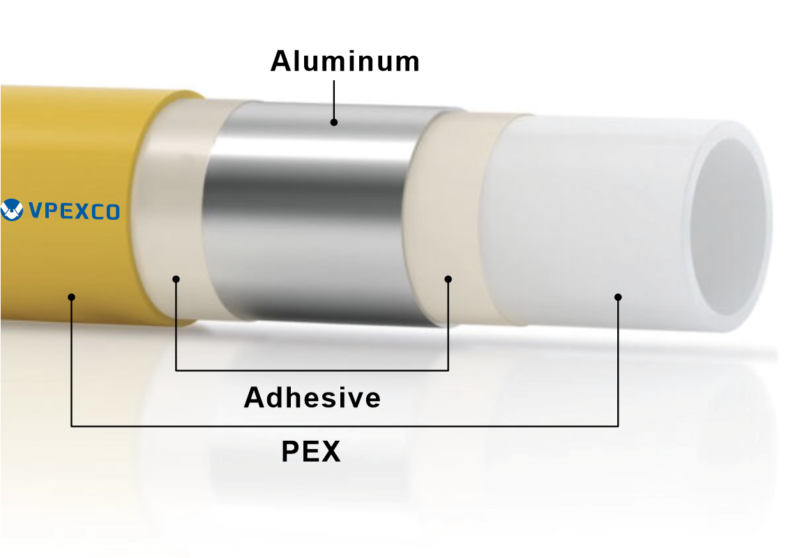
PEX Gas Pipe Structure
Structure of PEX-AL-PEX Gas Pipe
Most gas pipes contain several layers:
| Layer | Function |
|---|---|
| Inner PEX layer | Carries gas |
| Adhesive layer | Bonds materials |
| Aluminum layer | Gas barrier and strength |
| Adhesive layer | Stability |
| Outer PEX layer | External protection |
The aluminum layer plays a critical role. It blocks oxygen and gas permeability while increasing pipe strength.
Advantages of Using PEX Gas Pipes
Flexible installation
Installers can bend pipes around corners.
Faster installation speed
Fewer fittings reduce labor time.
Corrosion resistance
Unlike steel pipes, multilayer pipes resist corrosion.
Lower transportation cost
Lightweight products are easier to transport.
I remember one customer from Eastern Europe who originally used galvanized steel pipes. Labor costs became too high, and installation times kept increasing. After switching to PEX gas systems, project efficiency improved significantly.
Still, local codes and certifications always matter. Buyers should confirm compliance with regional standards before purchasing.
What is Pex Gas Piping System?
Many people think the gas pipe itself is the complete system. In reality, a reliable gas system includes many connected components.
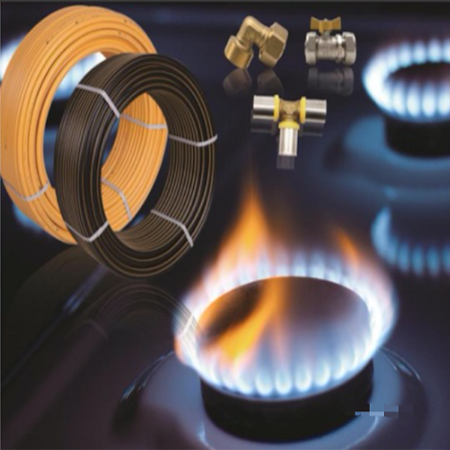
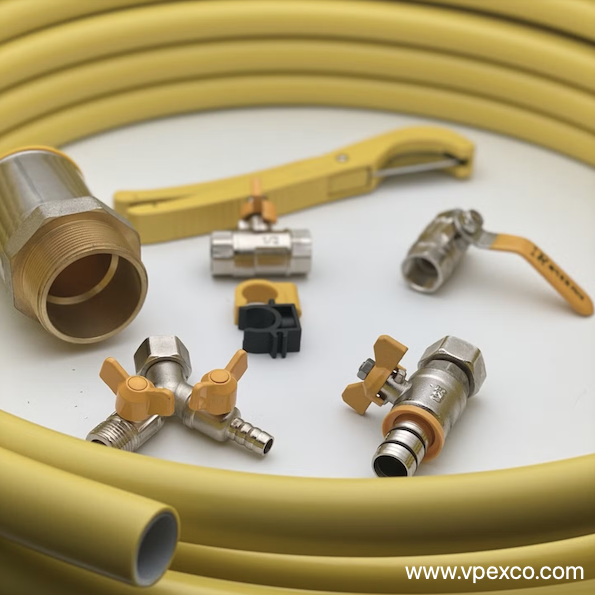
A complete PEX gas piping system includes PEX-AL-PEX gas pipes, gas fittings, gas valves, installation tools, gas meters, and related accessories designed to work together safely and efficiently.
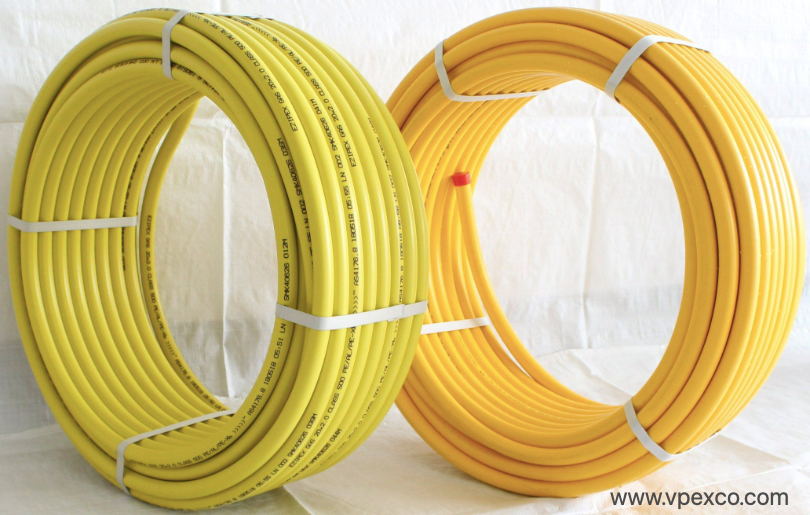
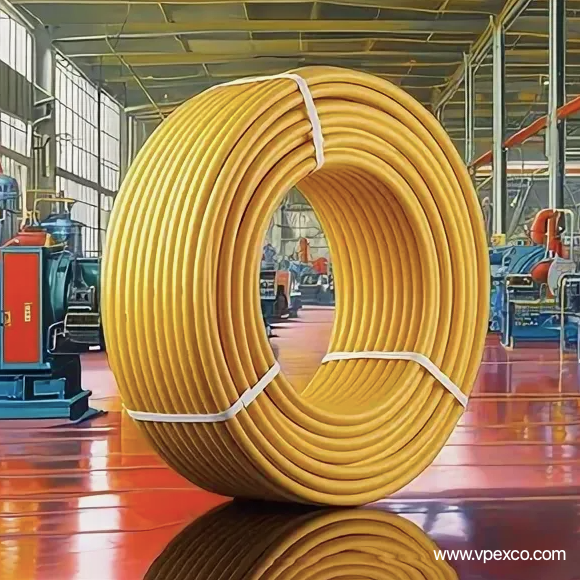
PEX-AL-PEX Gas Pipe
Main Components of a PEX Gas Piping System
PEX-AL-PEX Gas Pipe
This is the core part of the system.
The pipe combines:
- Flexibility
- Strength
- Corrosion resistance
- Gas tightness
It is widely used in:
- Residential gas systems
- Apartment projects
- Commercial kitchens
- Hotels
- Renovation projects
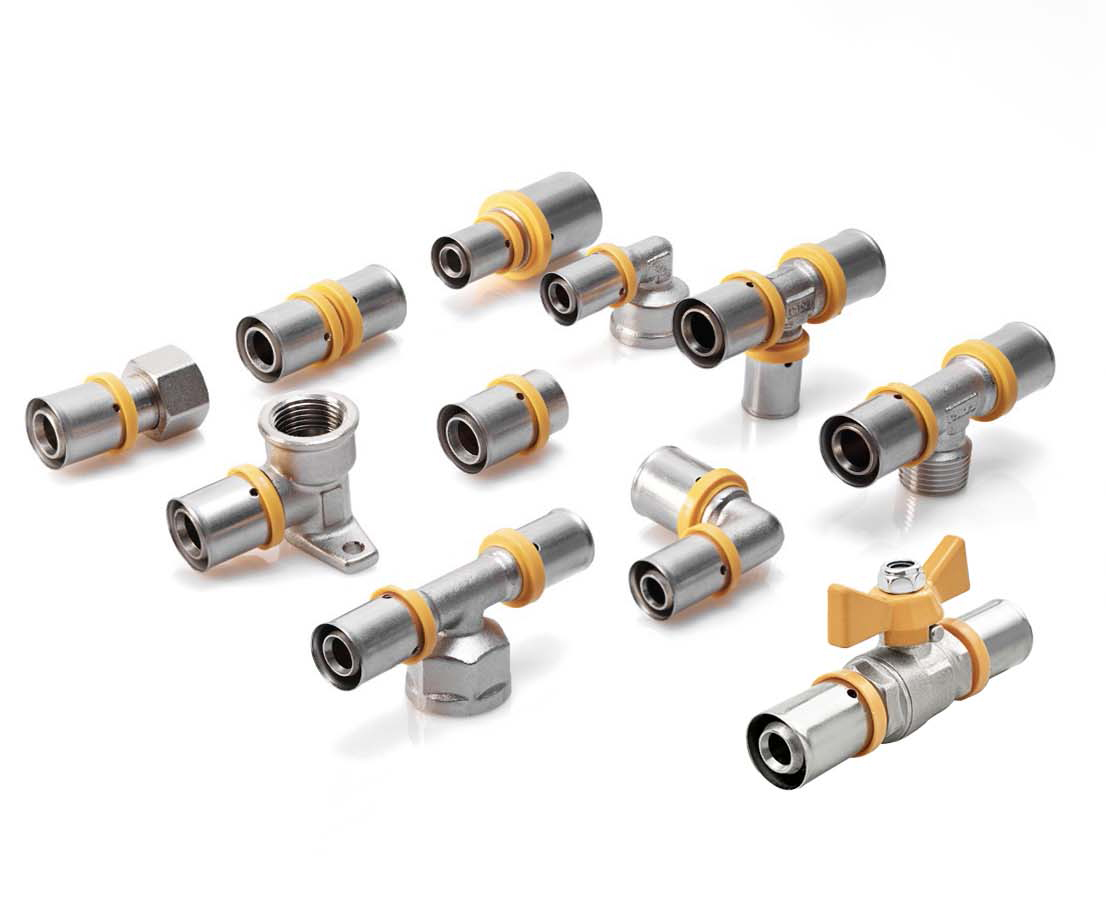
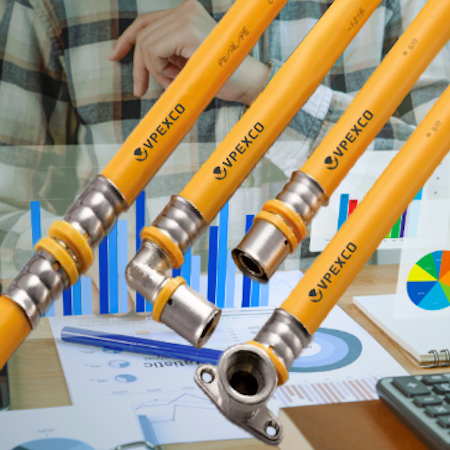
PEX Gas Pipe Fittings
PEX Gas Pipe Fittings
Fittings connect the pipe system together.
Common fittings include:
| Fitting Type | Function |
|---|---|
| Couplings | Connect straight pipes |
| Elbows | Change direction |
| Tees | Create branches |
| Adapters | Connect different systems |
Brass fittings are common because they provide strength and durability.

Pex Gas Valves
Gas Valves
Gas valves control gas flow inside the system.
Typical valve types include:
| Valve Type | Application |
|---|---|
| Ball valves | On-off control |
| Angle valves | Direction control |
| Safety valves | Pressure protection |
Reliable valves are critical for system safety.
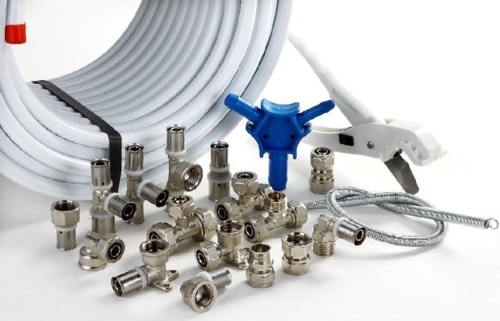
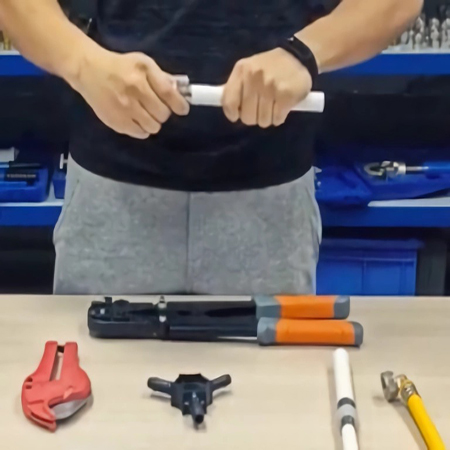
Gas Pipe Installation Tools
Gas Pipe Installation Tools
Professional tools ensure proper installation.
Common tools include:
- Pipe cutters
- Press tools
- Calibration tools
- Bending springs
- Crimping tools
Poor installation can create leakage risks even with high-quality pipes.
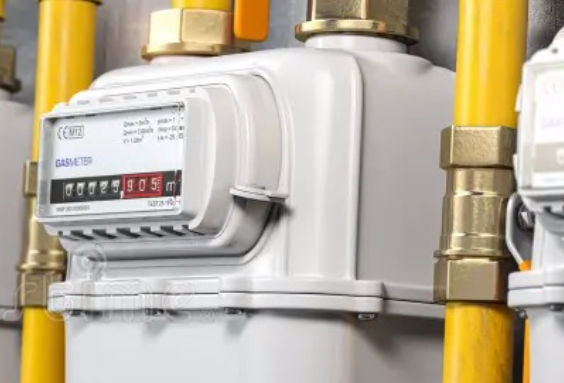
Gas Meter
Gas meters measure gas consumption.
They are usually installed near the system entrance and help:
- Monitor usage
- Support billing
- Improve safety management
Why Complete System Matching Matters
I often tell buyers one thing.
Good systems come from compatible components.
Some importers purchase pipes from one supplier and fittings from another supplier only to reduce costs. Later they face compatibility issues during installation.
This can create:
- Leakage risks
- Installation delays
- Customer complaints
- Warranty disputes
Working with one reliable system supplier often reduces these problems.
Market Demand Keeps Growing
Several trends continue driving growth:
| Market Trend | Impact |
|---|---|
| Rising labor costs | Faster installation demand |
| Urban construction | Flexible piping demand |
| Renovation projects | Easier installation solutions |
| Corrosion concerns | Multilayer pipe adoption |
The gas piping market is becoming more modern each year.
What is the best pipe for a natural gas line?
There is no single answer for every project. The best choice depends on application conditions, local regulations, installation environment, and budget.
For many modern residential and commercial projects, certified PEX-AL-PEX gas pipe is considered one of the best options because it combines flexibility, corrosion resistance, safety, and installation efficiency.
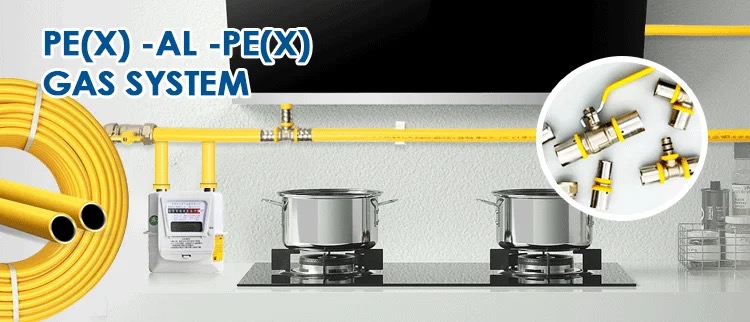
Types of Gas Pipes
Common Gas Pipe Options
Several materials are still used today.
| Pipe Type | Main Characteristics |
|---|---|
| Steel pipe | Strong but heavy |
| Copper pipe | Corrosion resistant but expensive |
| CSST | Flexible stainless steel |
| PEX-AL-PEX | Flexible multilayer system |
Each option has strengths and weaknesses.
Why PEX-AL-PEX Becomes More Popular
Easier installation
Flexible pipes reduce installation difficulty.
Lower labor cost
Faster installation saves labor hours.
Corrosion resistance
The pipe avoids rust problems common in steel systems.
Better transportation efficiency
Lightweight coils reduce shipping cost.
Long service life
Properly installed systems can last many years.
Comparing Steel Pipe and PEX Gas Pipe
| Item | Steel Pipe | PEX-AL-PEX |
|---|---|---|
| Weight | Heavy | Light |
| Installation speed | Slow | Fast |
| Corrosion resistance | Medium | High |
| Flexibility | Low | High |
| Labor cost | High | Lower |
Important Factors Before Choosing
I usually suggest buyers evaluate several things first.
Local regulations
Some countries have different approval standards.
Project environment
Underground systems may require different materials.
Temperature conditions
Climate can affect product selection.
Supplier reliability
Stable quality matters more than low prices.
Years ago, one buyer focused only on low product pricing. Later he discovered the supplier lacked stable certification support. The project experienced delays during inspections.
Cheap products can become expensive problems.
Future of Gas Piping Systems
I believe multilayer gas piping systems will continue growing because modern construction demands:
- Faster installation
- Better efficiency
- Lower maintenance
- Flexible routing
- Long-term reliability
This trend is already visible in many global markets.
PEX gas piping systems are becoming a preferred solution for modern gas installations because they offer flexibility, safety, efficiency, and long-term performance.
CONTACT VPEXCO
-
"24 CFR 3280.705 -- Gas piping systems. - eCFR", https://www.ecfr.gov/current/title-24/subtitle-B/chapter-XX/part-3280/subpart-H/section-3280.705. This source explains the certification requirements and material properties that differentiate PEX-AL-PEX gas pipes from standard PEX pipes. Evidence role: expert_consensus; source type: education. Supports: Not all PEX pipes can be used for gas lines; only certified multilayer gas pipes are suitable.. Scope note: The source may focus on specific regional standards, which could vary globally. ↩
-
"Notice to Operators: PEX-AL-PEX Piping Use in Indoor LPG Fuel ...", https://www.rrc.texas.gov/announcements/notice-to-operators-pex-al-pex-piping-use-in-indoor-lpg-fuel-systems/. This source provides an overview of the structural and functional characteristics of PEX-AL-PEX pipes, including their certification for gas use. Evidence role: mechanism; source type: research. Supports: Certified multilayer gas pipes, such as PEX-AL-PEX, are specifically designed for natural gas or LPG applications.. Scope note: The explanation may not cover all types of multilayer gas pipes beyond PEX-AL-PEX. ↩