If you choose the wrong PEX pipe, you may face system damage, rust issues, and costly callbacks. Many buyers only notice the problem after installation.
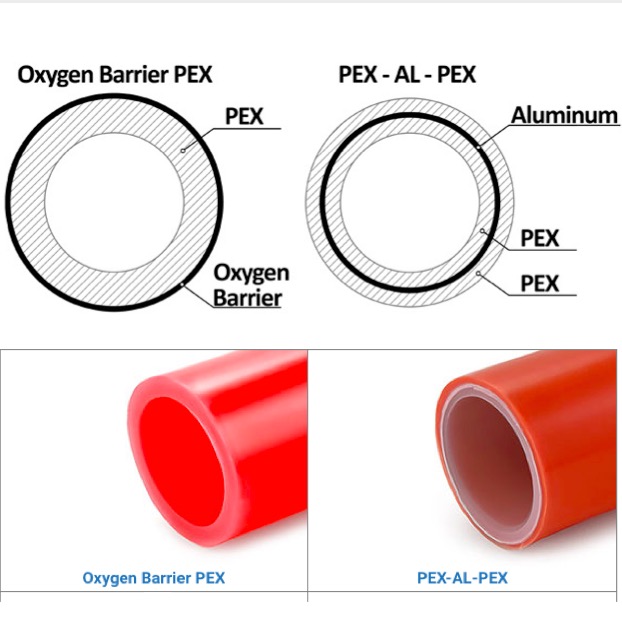
Pex EVOH and PEX Non-Barrier look similar, but they serve different jobs. EVOH PEX includes an oxygen barrier layer that blocks oxygen from entering closed heating systems. Non-barrier PEX does not stop oxygen transfer and works better for potable water plumbing systems.
I have worked in brass fittings and plumbing products for almost 20 years. During that time, I saw many buyers focus only on price and pipe size. Later, they found system failures caused by choosing the wrong pipe type. This guide explains the real differences in a simple way.
What is EVOH Material? And What is EVOH PEX?
Many buyers hear the word EVOH and think it is a pipe material. That creates confusion during sourcing and product comparison.
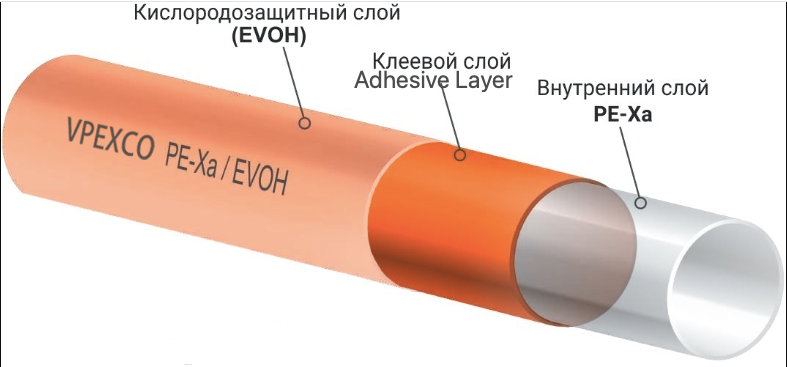
EVOH stands for Ethylene Vinyl Alcohol. It is a special oxygen barrier material added as a layer outside or inside PEX pipe. EVOH itself is not the pipe. It acts as a shield that prevents oxygen from entering the heating system.
Pex Pipe EVOH
What Does EVOH Actually Do?
In closed-loop heating systems, oxygen entering the water can become a hidden problem1. Oxygen reacts with metal parts. It creates corrosion inside:
- Boilers
- Pumps
- Valves
- Steel manifolds
- Heat exchangers
Over time, rust particles build up. System performance drops. Maintenance costs rise.
The EVOH layer blocks oxygen diffusion2. This keeps oxygen penetration at a very low level.
Basic EVOH Structure
A typical oxygen barrier PEX pipe structure looks like this:
| Layer | Function |
|---|---|
| Outer protective layer | Protects pipe surface |
| EVOH layer | Stops oxygen penetration |
| Adhesive layer | Bonds materials |
| PEX pipe body | Main water flow structure |
Why Heating Systems Need Oxygen Protection
I remember one customer years ago who imported products for radiant floor heating projects. He focused heavily on reducing pipe costs. He switched to cheaper non-barrier PEX. Six months later, several heating systems showed pump failures.
The issue was not pipe burst pressure. The issue was oxygen entering the system and slowly damaging metal components.
EVOH PEX Is Commonly Used In:
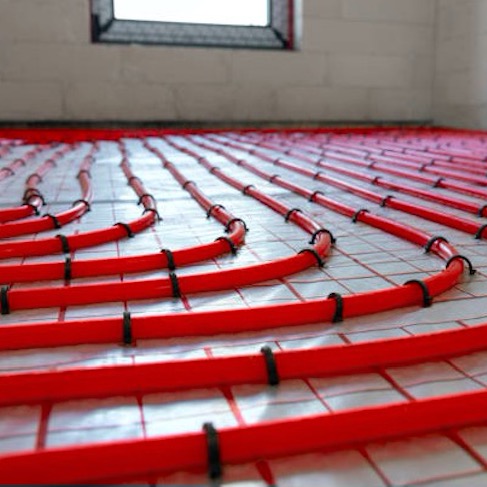
Radiant floor heating
Warm water floor systems usually contain metal parts. Oxygen protection matters.
Hydronic heating systems
Closed heating loops require oxygen resistance.
Snow melting systems
Outdoor heating systems often include pumps and steel components.
Fan coil systems
Many use metal heat exchangers.
When sourcing PEX products, I always tell buyers to first ask:
"What system will this pipe serve?"
Pipe selection starts there.
What is PEX Non-Barrier Pipe?
Many new buyers assume all PEX pipe products work the same way. That can create expensive mistakes.
PEX non-barrier pipe is standard cross-linked polyethylene pipe without an oxygen-blocking layer. It allows oxygen molecules to pass through pipe walls over time.
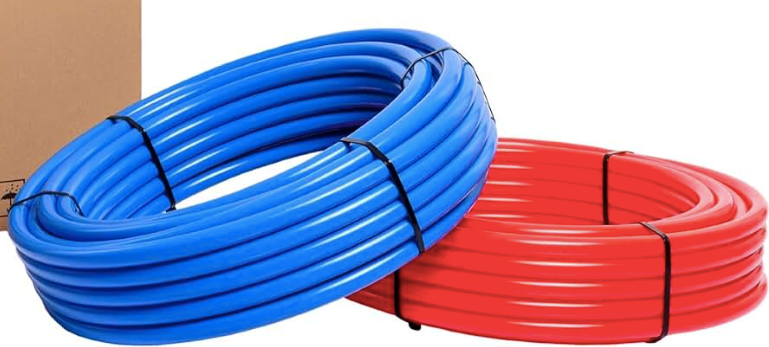
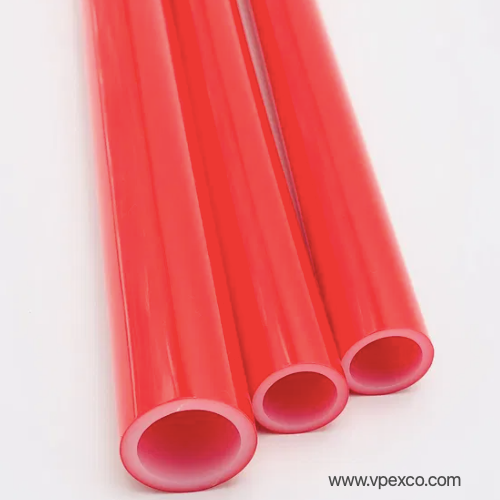
Pex Non-Barreier
How Non-Barrier PEX Works
PEX itself offers many advantages:
- Flexible installation
- Corrosion resistance
- Freeze resistance
- Lower installation cost
- Long service life
For potable water systems, oxygen entering the pipe does not create major problems because fresh water already contains oxygen.
The system constantly exchanges water.
That makes oxygen diffusion less important.
Common Applications
| Application | Suitable |
|---|---|
| Hot water plumbing | Yes |
| Cold water plumbing | Yes |
| Residential water supply | Yes |
| Drinking water systems | Yes |
| Closed heating loops | No |
Why Non-Barrier PEX Costs Less
Non-barrier PEX removes several manufacturing steps:
- No EVOH layer extrusion
- No adhesive layer
- Less material cost
- Simpler production process
As a supplier, I often see buyers compare prices directly:
"Why is one PEX pipe cheaper?"
The answer often comes from construction differences.
Lower price does not always mean better value.
Common Misunderstanding During Purchasing
Some buyers think:
"PEX is PEX."
This idea creates trouble.
Two pipes may have the same dimensions:
- 16mm × 2.0mm
- Same pressure rating
- Same color
Yet one may work perfectly while the other creates future system damage.
The hidden difference is often oxygen barrier protection.
Pex EVOH (Pex Oxygen Barrier) VS PEX Non-Barrier?
Many buyers ask me this question during sourcing discussions. The products look nearly identical at first glance.
The main difference is oxygen protection. EVOH PEX blocks oxygen transfer for heating systems. Non-barrier PEX allows oxygen diffusion and works better for potable water applications.
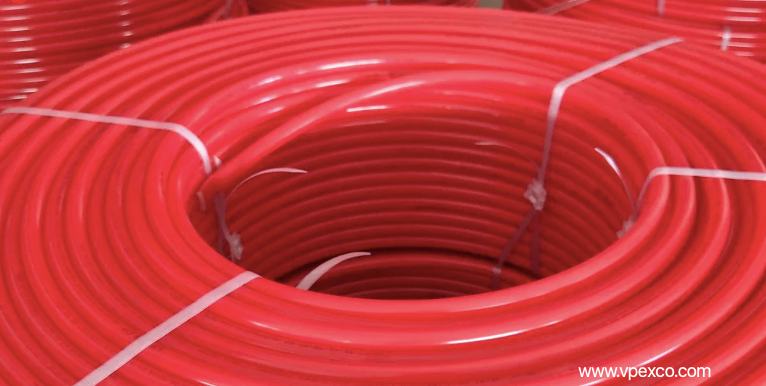
Pex EVOH vs Pex Non-Barrier
Side-by-Side Comparison
| Item | EVOH PEX | Non-Barrier PEX |
|---|---|---|
| Oxygen protection | Yes | No |
| Closed heating use | Yes | No |
| Potable water use | Limited | Yes |
| Manufacturing complexity | Higher | Lower |
| Cost | Higher | Lower |
| Corrosion prevention | Excellent | Weak |
| Metal component protection | Yes | No |
Installation Differences
The installation process often stays similar:
- Cutting
- Expansion
- Crimping
- Connecting fittings
But application selection changes everything.
Long-Term Performance
I often tell customers to think beyond purchase price.
Suppose EVOH pipe costs slightly more.
Now compare that with:
- Replacing circulation pumps
- Repairing heat exchangers
- Flushing rusty systems
- Labor costs
The small pipe savings disappear quickly.
Common Buyer Mistakes
Mistake 1: Choosing only by price
Lower pipe cost sometimes creates much larger maintenance costs.
Mistake 2: Ignoring certifications
Always verify:
- DIN standards
- ISO requirements
- Oxygen permeability ratings
Mistake 3: Trusting copied certificates
I have seen suppliers present certificates that do not match actual products.
This issue appears more often than many buyers expect.
Ask for:
- Lab reports
- Factory audits
- Production videos
Trust should come from verification.
How to Choose?
Many buyers become overwhelmed because specifications can look similar. The key is understanding the actual application.
Choose EVOH PEX for closed-loop heating systems with metal components. Choose non-barrier PEX for drinking water and standard plumbing systems. System design should guide pipe selection.
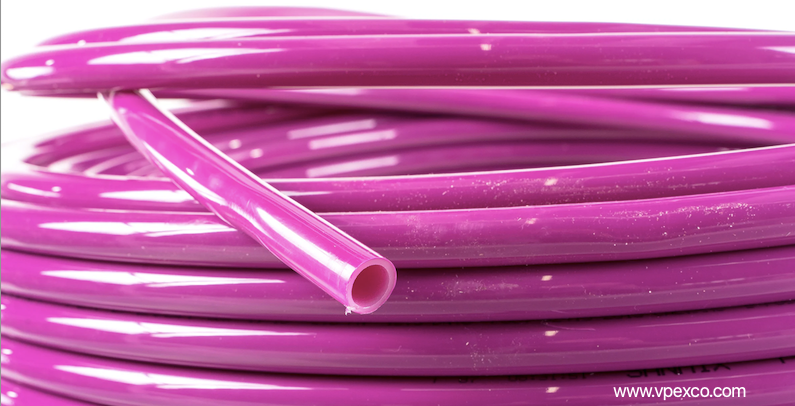
PEX A EVOH Pipe
Start With Four Questions
Before buying, I usually ask customers these:
- Is the system open or closed?
- Are metal components involved?
- Is this for potable water?
- What standards are required?
These answers narrow the selection quickly.
Simple Selection Table
| System Type | Recommended Pipe |
|---|---|
| Floor heating | EVOH PEX |
| Hydronic heating | EVOH PEX |
| Potable water | Non-barrier PEX |
| Hot and cold plumbing | Non-barrier PEX |
| Snow melting | EVOH PEX |
Think Beyond Initial Price
Many business owners focus on unit price because margins matter.
I understand this very well.
Still, I learned one lesson after years in this industry:
The cheapest pipe is not always the lowest-cost solution.
Product quality, supplier communication, shipment reliability, and certification accuracy all matter.
At VPEXCO, we work with many buyers who source PEX pipes and fittings for plumbing, heating, and gas systems. We built our process around making sourcing simple and reliable. We understand OEM and ODM projects. We also understand that buyers want stable quality and honest communication.
The right PEX pipe protects your system, your reputation, and your long-term costs. Understanding oxygen barrier differences helps buyers avoid expensive mistakes.
VPEXCO**")
-
"[PDF] Corrosion in Closed-Loop Water Systems Part 1 - NIH", https://orf.od.nih.gov/TechnicalResources/Documents/Technical%20Bulletins/25TB/Corrosion%20in%20Closed-Loop%20Water%20Systems%20Part%201%20-%20Understanding%20Corrosion%20-%20May%202025%20TB%20_508.pdf. This source explains how oxygen ingress in closed-loop heating systems can lead to corrosion and subsequent system inefficiencies. Evidence role: mechanism; source type: education. Supports: Oxygen entering the water in closed-loop heating systems can cause corrosion and lead to performance issues.. ↩
-
"Barrier properties of ethylene vinyl alcohol films in thermal processing", https://rex.libraries.wsu.edu/esploro/outputs/doctoral/Barrier-properties-of-ethylene-vinyl-alcohol/99901055021101842. This source discusses the role of EVOH layers in preventing oxygen diffusion in heating systems, thereby reducing corrosion risks. Evidence role: mechanism; source type: research. Supports: The EVOH layer blocks oxygen diffusion, reducing oxygen penetration to very low levels.. ↩