Choosing between PE-AL-PE and PEX-AL-PEX pipe often creates confusion. Many buyers compare prices first. Yet wrong material choices can cause installation issues, performance problems, and long-term customer complaints.
PE-AL-PE and PEX-AL-PEX are both multilayer composite pipes with aluminum cores. The key difference is material performance. PEX-AL-PEX offers higher temperature resistance and stronger long-term performance, while PE-AL-PE often focuses on lower-temperature applications and cost-sensitive projects.
I have worked in brass fittings and piping products for many years. I have talked with distributors, contractors, and project owners from many countries. I noticed one common problem. Buyers often see similar pipe structures and assume they work the same way. They do not. Small material differences can create very different results in real projects. This guide explains the core differences and helps make sourcing decisions easier.
What is PE? And What is PE-AL-PE Pipe?
Many buyers hear the term PE pipe often. Yet some still confuse standard PE products with multilayer PE-AL-PE systems.
PE means polyethylene, a common thermoplastic material used for piping. PE-AL-PE pipe combines polyethylene and aluminum layers into one composite pipe structure to improve strength and flexibility.
!
PE Material
What is PE Material?
PE stands for Polyethylene1. It is widely used in the piping industry because it offers:
- Good flexibility
- Corrosion resistance
- Lightweight structure
- Chemical resistance
- Cost advantages
Several PE categories exist in the market:
| Type | Description |
|---|---|
| LDPE | Low-density polyethylene |
| HDPE | High-density polyethylene |
| MDPE | Medium-density polyethylene |
Different PE grades serve different uses.
PE Alone Has Limits
PE materials perform well in many situations. Yet standard PE pipes also have limitations.
Lower heat resistance
Traditional PE materials can deform at high temperatures.
Limited pressure performance
Performance may decrease under long-term heat and pressure conditions.
Shape memory issue
The pipe can return toward its original form after bending.
These limitations led manufacturers to develop multilayer systems.
What is PE-AL-PE Pipe?
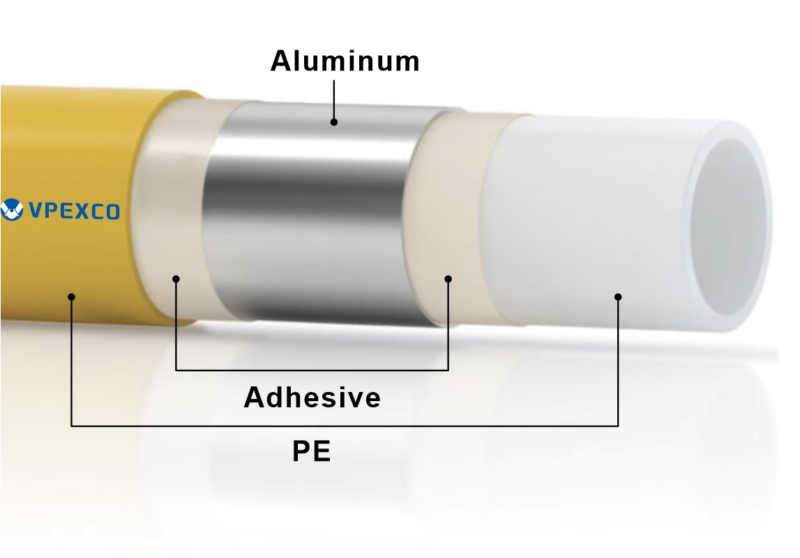
PE-AL-PE pipe combines multiple layers:
| Layer | Function |
|---|---|
| Inner PE layer | Delivers fluid |
| Adhesive layer | Bonds materials |
| Aluminum core | Adds strength and oxygen barrier |
| Adhesive layer | Creates stability |
| Outer PE layer | Protects pipe surface |
The aluminum layer changes pipe behavior significantly.
Main Benefits of PE-AL-PE Pipe
Better shape retention
The aluminum layer helps maintain pipe shape after bending.
Oxygen barrier
The metal layer blocks oxygen penetration.
Lightweight handling
Workers can install and transport the pipe easily.
Lower material cost
PE materials often cost less than cross-linked alternatives.
Years ago, I saw some distributors use PE-AL-PE products mainly for lower temperature plumbing systems. Price-sensitive markets often preferred this option because budget came first.
Still, application matters.
What is PEX? And What is Pex-al-Pex Pipe?
Many buyers think PEX simply means stronger PE. The reality is more technical.
PEX means cross-linked polyethylene. Cross-linking changes the molecular structure and creates stronger heat resistance, pressure resistance, and long-term durability. PEX-AL-PEX combines these properties with an aluminum core.
pex al Pex pipe
Understanding PEX Material
PEX starts as polyethylene. Manufacturers then create molecular cross-linking through several production methods.
Common methods include:
| Type | Production Method |
|---|---|
| PEX-A | Peroxide process |
| PEX-B | Silane process |
| PEX-C | Radiation process |
Each method creates slightly different pipe properties.
What Cross-Linking Changes
Cross-linking improves material performance.
Higher temperature resistance
PEX handles elevated temperatures better.
Better pressure resistance
Long-term pressure performance improves.
Better crack resistance
Stress resistance becomes stronger.
Longer service life
Proper systems often last decades.
Structure of PEX-AL-PEX Pipe
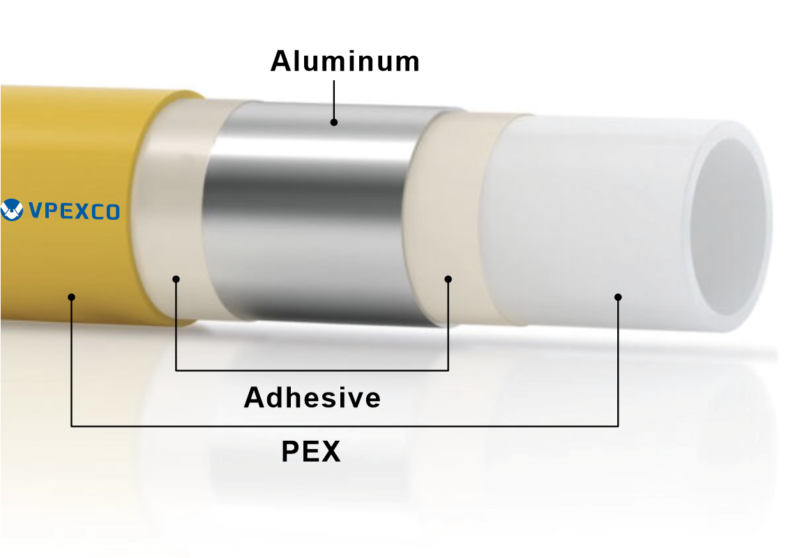
PEX-AL-PEX pipe uses several layers:
| Layer | Function |
|---|---|
| Inner PEX | Carries media |
| Adhesive layer | Material bonding |
| Aluminum core | Structural strength |
| Adhesive layer | Layer stability |
| Outer PEX | External protection |
At first glance, PE-AL-PE and PEX-AL-PEX look similar.
The difference sits inside the material itself.
Common Applications
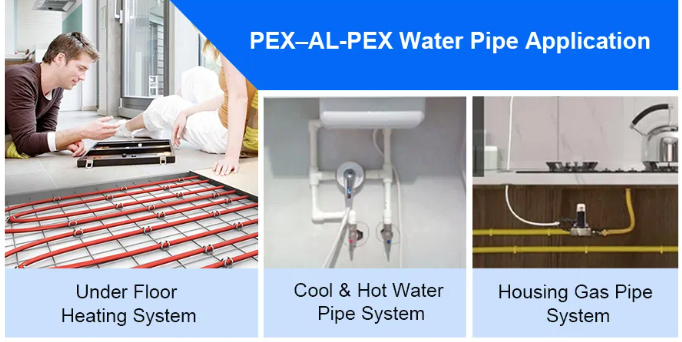
PEX-AL-PEX often appears in:
- Floor heating systems
- Hot and cold plumbing systems
- Gas piping systems
- Commercial buildings
- High-pressure systems
I once worked with a customer who originally sourced cheaper pipe products for radiant heating projects. After installation issues appeared, they moved to PEX-AL-PEX systems. Complaints dropped quickly.
Performance became more important than initial cost.
PE AL PE VS PEX AL PEX PIPE?
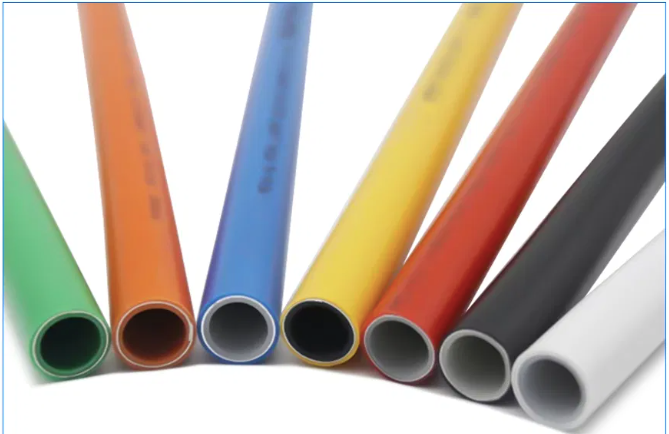
Two pipes may look almost identical from outside. Yet actual performance differences become obvious during use.
PEX-AL-PEX generally provides better heat resistance, pressure performance, durability, and long-term reliability. PE-AL-PE usually offers lower cost and suits less demanding applications.
Pe al Pe vs Pex al Pex
Side-by-Side Comparison
| Item | PE-AL-PE | PEX-AL-PEX |
|---|---|---|
| Material | Polyethylene | Cross-linked polyethylene |
| Temperature resistance | Medium | High |
| Pressure performance | Medium | High |
| Flexibility | Good | Good |
| Shape retention | Good | Excellent |
| Heating applications | Limited | Excellent |
| Service life | Good | Excellent |
| Cost | Lower | Higher |
Heat Resistance Difference
Temperature becomes one of the biggest factors.
PE materials usually have lower long-term temperature limits.
PEX systems handle hot water and heating environments better.
Pressure Stability
Under heat and pressure conditions:
PE performance can gradually reduce.
PEX maintains stronger long-term stability.
Installation Performance
Both products provide flexibility.
Still, PEX often performs better during repeated bending and demanding installations.
Common Buyer Mistakes
I often see several sourcing errors:
Focusing only on unit price
Cheaper products can create bigger costs later.
Ignoring application conditions
Temperature and pressure matter.
Not checking certifications
Testing reports help avoid problems.
Assuming similar appearance means same performance
Pipe structure alone does not tell the full story.
Years ago one buyer selected products purely by price. After several months he discovered project conditions required higher heat resistance. Replacement costs became painful.
Material decisions should start with project requirements.
PE AL PE or PEX AL PEX, How to Choose?
Many buyers ask one simple question. Which one should I buy?
The answer depends on temperature requirements, application type, budget, and project expectations. PEX-AL-PEX suits demanding systems, while PE-AL-PE works well for lower-temperature and cost-focused projects.
Choose Pe al Pe or Pex al Pex
Start with Project Conditions
I usually ask customers several basic questions.
- What temperature will the system face?
- Is it plumbing or heating?
- Is long-term pressure important?
- What is the budget target?
- What local certifications are needed?
Answers quickly narrow choices.
Recommended Selection Guide
| Project Type | Suggested Pipe |
|---|---|
| Floor heating | PEX-AL-PEX |
| Hot water systems | PEX-AL-PEX |
| Gas systems | PEX-AL-PEX/PE-AL-PE |
| Low-temperature plumbing | PE-AL-PE |
| Cost-sensitive projects | PE-AL-PE |
| Long-life installations | PEX-AL-PEX |
Consider Total Cost
Many buyers focus only on product pricing.
I prefer total cost thinking.
Product cost
Installation cost
Maintenance cost
Failure risk
Sometimes a slightly higher purchase price creates lower total ownership cost.
Think About Long-Term Business
As a supplier and factory owner, I learned one lesson repeatedly.
Customers remember reliability more than price.
If project performance fails, customers rarely care that the pipe was cheaper.
They care about fixing the problem.
That changes the sourcing conversation completely.
PE-AL-PE and PEX-AL-PEX each have value. The right choice depends on performance needs, project conditions, and long-term business goals.
CONTACT VPEXCO
-
"Polyethylene - Wikipedia", https://en.wikipedia.org/wiki/Polyethylene. This source confirms that PE is an abbreviation for polyethylene, a common thermoplastic polymer. Evidence role: definition; source type: encyclopedia. Supports: PE stands for Polyethylene.. ↩