


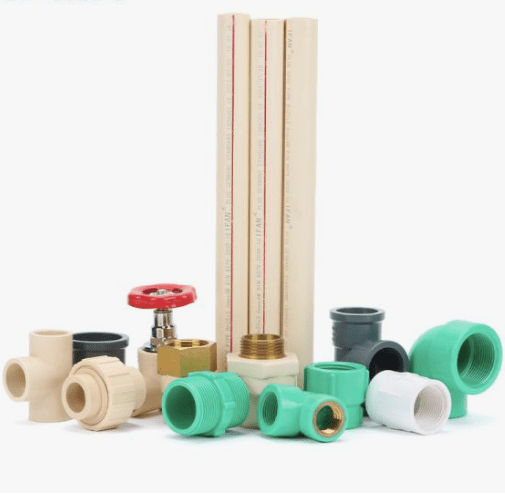
Many buyers feel confused when choosing pipe materials. They worry about wrong decisions, project risks, and cost losses. This confusion often leads to delays and poor system performance.
UPVC, CPVC, and PPR are three common piping materials. They differ in temperature resistance, chemical stability, cost, and applications. UPVC suits cold water, CPVC handles hot water, and PPR offers flexibility and long-term durability.
I have worked in piping systems for nearly 20 years. I have seen many clients struggle with this choice. So I will break it down in a simple way. You will clearly know what to use and why.
What is UPVC & CPVC, what's the difference?
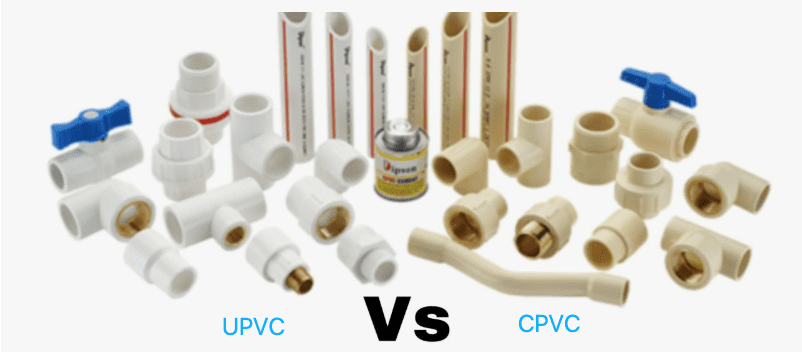
UPVC VS CPVC
Many engineers mix up UPVC and CPVC. This causes wrong installations, especially in hot water systems. That mistake can damage the entire pipeline.
UPVC is unplasticized PVC used for cold water systems. CPVC is chlorinated PVC designed for higher temperature applications like hot water supply. The main difference is temperature resistance1 and chemical structure2.
Understanding the Basics
I always explain this to my clients in a simple way. UPVC and CPVC come from the same base material, which is PVC. But CPVC goes through extra chlorination. That small change makes a big difference.
Key Differences Table
| Feature | UPVC | CPVC |
|---|---|---|
| Full Name | Unplasticized PVC | Chlorinated PVC |
| Temperature Range | Up to 60°C | Up to 90°C |
| Flexibility | Rigid | Slightly more flexible |
| Cost | Lower | Higher |
| Application | Cold water, drainage | Hot & cold water supply |
Why This Matters in Real Projects
I once worked with a client in Canada. He used UPVC in a hot water system to reduce cost. After a few months, the pipes started to deform. The repair cost was much higher than initial savings.
So I always say:
- Use UPVC for cold water and drainage
- Use CPVC for hot water systems
Performance Considerations
Temperature Resistance
CPVC performs much better in high temperature. It can handle hot water continuously. UPVC cannot.
Chemical Resistance
Both materials resist many chemicals. But CPVC performs better in aggressive environments.
Installation
Both are easy to install. They use solvent cement joints. This reduces labor cost.
My Practical Advice
If your project includes:
- Residential plumbing → CPVC is safer
- Drainage systems → UPVC is enough
- Budget-sensitive projects → Use both wisely
I always tell buyers to not focus only on price. Focus on long-term reliability.
What is PPR?
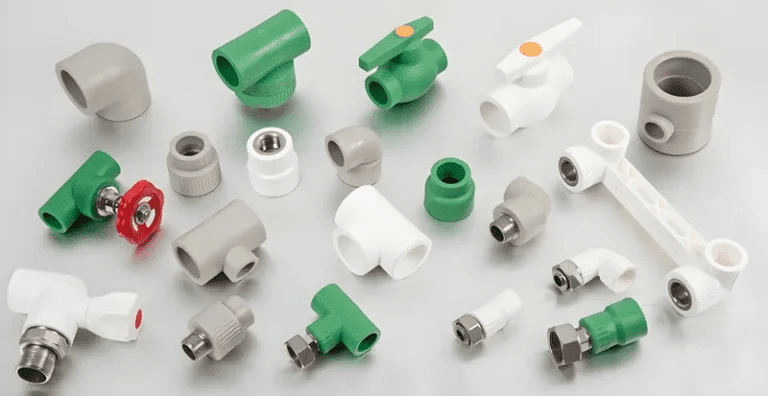
PPR Pipe Fittings Valves
Many buyers hear about PPR but do not fully understand it. They worry about installation difficulty and cost.
PPR is a polypropylene random copolymer pipe. It is widely used for hot and cold water systems due to its excellent durability, heat resistance, and fusion welding connections.
What Makes PPR Different?
PPR is not like PVC materials. It is a thermoplastic polymer. It uses heat fusion for connection instead of glue.
This creates a very strong joint. In fact, the joint becomes as strong as the pipe itself.
Key Features of PPR
| Feature | PPR |
|---|---|
| Material | Polypropylene Random Copolymer |
| Temperature Range | Up to 95°C |
| Connection | Heat fusion |
| Lifespan | 50+ years |
| Corrosion | Excellent resistance |
Why Many Engineers Prefer PPR
I have seen many modern projects shift to PPR. Especially in Europe and Asia.
Strong Joint System
Heat fusion means no leakage risk if done correctly. This is a big advantage.
Long Service Life
PPR pipes can last over 50 years. This reduces maintenance cost.
Clean Water Safety
PPR does not release harmful substances. It is safe for drinking water.
Challenges You Should Know
Installation Requires Tools
You need fusion machines. Workers must be trained.
Higher Initial Cost
PPR is usually more expensive than UPVC.
My Experience
One of my clients switched from CPVC to PPR in a large residential project. At first, they worried about cost. But after 3 years, maintenance cost dropped significantly.
So I always say:
- PPR = long-term investment
- UPVC/CPVC = cost-effective short-term solution
What Are the Differences in UPVC, CPVC & PPR?
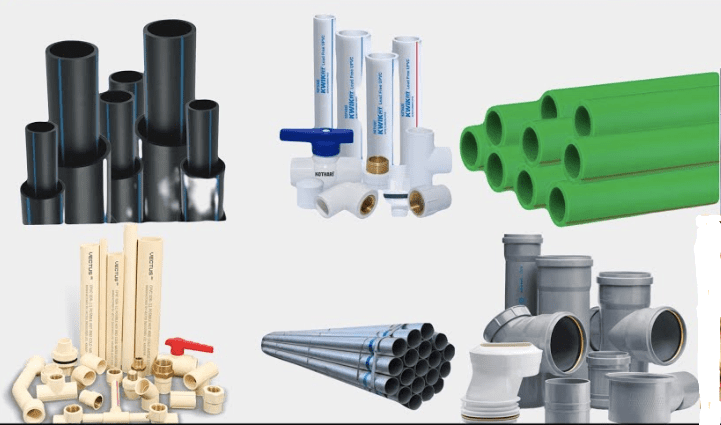
UPVC VS CPVC VS PPR
Choosing between these materials is confusing. Each one claims to be the best. But the truth depends on your application.
UPVC, CPVC, and PPR differ mainly in temperature resistance, connection method, durability, and cost. UPVC is for cold systems, CPVC for hot water, and PPR for high-performance long-term systems.
Full Comparison Table
| Feature | UPVC | CPVC | PPR |
|---|---|---|---|
| Temperature | Low | Medium | High |
| Pressure | Medium | High | High |
| Installation | Easy (glue) | Easy (glue) | Medium (fusion) |
| Cost | Low | Medium | High |
| Lifespan | 20–30 years | 30–40 years | 50+ years |
Key Differences Explained
1. Temperature Resistance
- UPVC → Cold water only
- CPVC → Hot & cold water
- PPR → High temperature and pressure
2. Connection Method
- UPVC & CPVC → Solvent cement
- PPR → Heat fusion
Heat fusion creates stronger joints. But it needs skilled labor.
3. Durability
PPR has the longest lifespan. CPVC comes second. UPVC is more limited.
4. Cost vs Value
Many buyers only look at price. But I always calculate total cost:
- Material cost
- Installation cost
- Maintenance cost
Real Project Insight
I worked on a commercial building project. The client first chose UPVC for everything. Later, we adjusted:
- UPVC → drainage
- CPVC → hot water
- PPR → main supply lines
This mix gave the best balance of cost and performance.
How to Choose for Your Project?
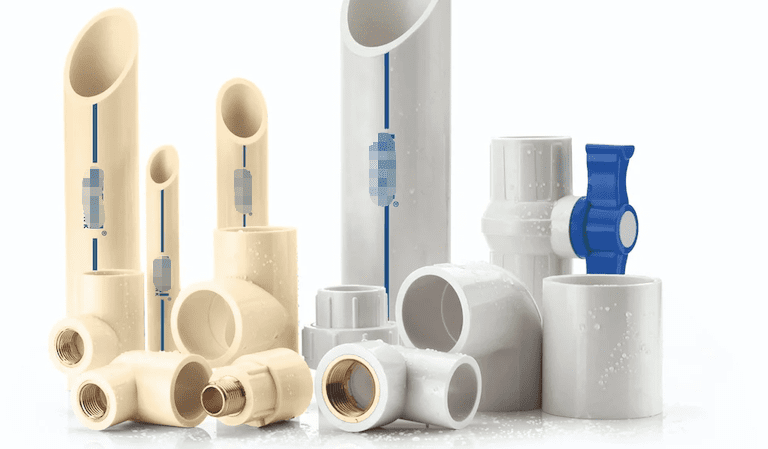
Choosing Piping System
Many buyers feel pressure when choosing materials. A wrong choice can lead to leaks, repairs, and customer complaints.
The best choice depends on temperature, budget, project type, and long-term goals. Use UPVC for drainage, CPVC for hot water, and PPR for premium and long-lasting systems.
Step-by-Step Decision Guide
Step 1: Define Your Application
| Application | Recommended Material |
|---|---|
| Drainage | UPVC |
| Cold water | UPVC or PPR |
| Hot water | CPVC or PPR |
| High-end projects | PPR |
Step 2: Evaluate Budget
- Tight budget → UPVC + CPVC
- Medium budget → CPVC focus
- High budget → PPR system
Step 3: Consider Installation Conditions
If your workers are not trained:
- Avoid PPR
- Use CPVC
Step 4: Think Long-Term
I always ask my clients one question:
Do you want lower cost now or lower cost later?
This question changes their decision.
My Personal Recommendation
From my 20 years of experience, I suggest:
- Small residential → CPVC
- Large residential → CPVC + PPR
- Commercial → PPR + CPVC
- Infrastructure → PPR
Why Work With VPEXCO
At VPEXCO, I focus on helping clients make the right choice. I understand your concerns:
- Quality control
- Certification
- Delivery time
- Communication
We provide:
- Stable quality products
- Competitive pricing
- Fast response
- Reliable logistics
I always believe:
Think flexible, do reliable
Conclusion
UPVC, CPVC, and PPR each serve different needs. The right choice depends on your project goals, budget, and long-term planning.
