Gas leaks destroy trust. Corrosion ruins projects. A wrong valve choice can cost you clients, inspections, and future orders.
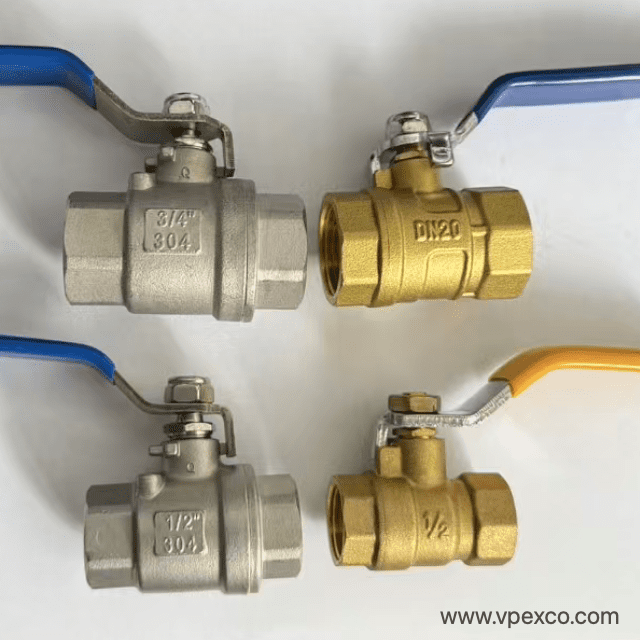
Brass gas valves are best for most residential and commercial gas systems due to cost efficiency and reliable sealing. Stainless steel valves are better for high-pressure, corrosive, or industrial gas environments. The right choice depends on application, pressure, and market standards.
I have worked in brass fittings and gas valves for nearly 20 years. I have seen buyers focus only on price. Later they pay for replacements and complaints. Now I want to explain this topic in a simple and practical way.
Is brass or stainless steel better for gas?

Brass or Stainless Steel for gas
Many buyers ask this during meetings. They worry about corrosion. They worry about safety. They also worry about certification. If the material fails, the whole system fails.
Brass is better for most natural gas and LPG systems because it offers strong corrosion resistance, excellent machinability, and stable sealing. Stainless steel is better for harsh, high-pressure, or chemically aggressive gas environments.
Material Basics I Always Check
Before I recommend any valve, I check the material properties.
| Property | Brass Valve | Stainless Steel Valve |
|---|---|---|
| Corrosion resistance | Very good for natural gas | Excellent in harsh chemicals |
| Strength | Good | Very high |
| Machinability | Excellent | Harder to machine |
| Cost | Lower | Higher |
| Common use | Residential & commercial gas | Industrial & chemical gas |
Brass is an alloy of copper and zinc. It machines easily. It allows tight threads. That gives strong sealing performance. Gas systems need tight sealing.
Stainless steel contains chromium. It forms a protective layer. That makes it resistant to rust and chemicals. This is useful in factories or coastal areas.
Environment Changes the Answer
I always ask my clients simple questions:
- Is the system indoor or outdoor?
- Is it near the sea?
- What is the working pressure?
- What type of gas?
For indoor residential natural gas, brass is more than enough. It performs well for decades.
For offshore platforms or chemical plants, stainless steel is safer. Salt air and chemicals attack metal surfaces. Stainless steel handles this better.
Certification Is Critical
Gas valves must meet standards. Examples include:
Both brass and stainless steel can pass these standards. But material alone does not guarantee safety. Design and testing matter more.
I once saw a buyer lose time because a supplier provided false certification. Customs stopped the shipment. Since then, I always verify laboratory reports. At VPEXCO, we control testing strictly because gas systems allow zero risk.
My Real-World Recommendation
For about 80% of residential and light commercial gas distribution systems, brass is the best balance between safety and cost.
For heavy industry or corrosive gas systems, stainless steel gives extra protection.
There is no universal answer. There is only the correct match for the job.
What type of valve is best for gas?
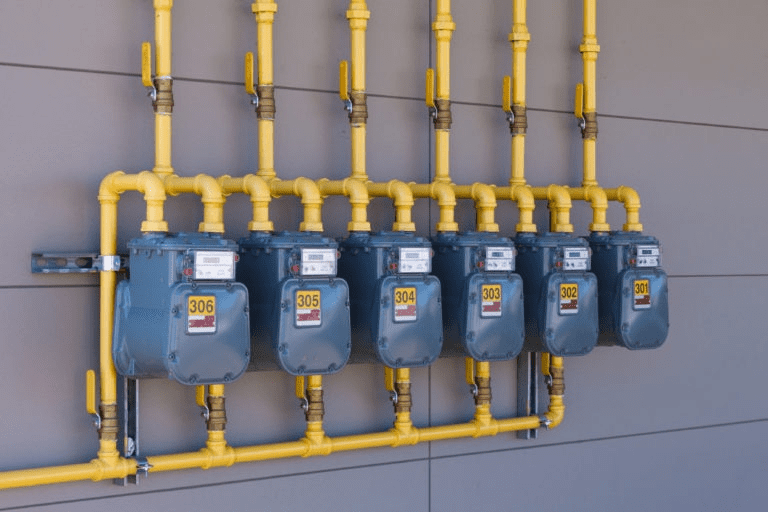
Brass Gas Valve Application
Material is important. But valve structure is just as important. A strong material cannot fix a bad design.
Ball valves are the best type for most gas applications because they provide fast 90-degree shut-off, tight sealing, and clear open or closed positions.
Common Valve Types for Gas Systems
| Valve Type | Suitable for Gas? | Main Advantage |
|---|---|---|
| Ball Valve | Yes | Quick shut-off |
| Gate Valve | Sometimes | Flow isolation |
| Globe Valve | Limited | Flow control |
| Butterfly Valve | Industrial | Large diameter systems |
Why I Recommend Ball Valves
Gas systems require emergency shut-off. A ball valve rotates only 90 degrees. It closes quickly. It seals tightly with PTFE seats.
Key advantages:
- Simple operation
- Clear open/close position
- Strong sealing performance
- Compact design
Most residential gas systems use brass ball valves with threaded connections. They are easy to install and replace.
Connection Types Matter
When working with PEX-AL-PEX systems, I usually see:
- Threaded ball valves
- Compression valves
- Press-fit systems
In North America, threaded valves are still common. In Europe, press systems are growing.
At VPEXCO, we provide compatible valves for PEX and multilayer pipe systems. One supplier for pipe and valve reduces communication problems. Many buyers complain about slow replies from suppliers. I built my team to respond quickly because I know delays cost money.
Safety Design Details
For gas valves, I always check:
- Anti-blowout stem
- Body wall thickness
- Double sealing structure
- 100% air pressure testing
Gas is dangerous. Water leaks cause damage. Gas leaks cause explosions. This difference changes everything.
The best gas valve is not only about brass or stainless steel. It is about total design and strict quality control.
Brass Gas Valve vs. Stainless Steel Valve: How to Choose for Gas Applications?

Gas Valve in Gas Piping System
Many company owners want one simple answer. They want one material for every market. But gas systems do not work that way.
To choose between brass and stainless steel gas valves, evaluate pressure rating, environment, gas type, certification, and cost strategy. Match the material to the application instead of choosing only by strength or price.
Step 1: Define the Application Clearly
I always use a checklist.
| Question | Reason |
|---|---|
| Indoor or outdoor? | Weather affects corrosion |
| Coastal location? | Salt increases rust risk |
| Gas pressure level? | Higher pressure needs stronger material |
| Residential or industrial? | Different safety margins |
| Target market? | Certification rules differ |
If the project is residential heating in Canada, brass valves are usually sufficient.
If the project is a chemical processing plant, stainless steel is safer.
Step 2: Compare Total Cost Strategy
Brass valves:
- Lower material cost
- Faster machining
- Higher production efficiency
Stainless steel valves:
- Higher raw material price
- Slower machining
- Higher production cost
If your market does not require stainless steel, using it reduces your margin. It does not always increase your selling price.
As a buyer, you must balance safety and profitability.
Step 3: Evaluate Supplier Capability
Stainless steel machining requires more advanced equipment. Not every factory can handle it well.
Poor machining leads to:
- Surface defects
- Thread accuracy problems
- Internal stress cracks
I focus on brass gas valves because specialization improves consistency. With over 20 years of OEM and ODM experience, I understand how to control leakage risk.
Step 4: Protect Your Brand Reputation
Your customers remember failures. They do not remember savings.
I once saw a distributor change to cheaper valves. After one winter season, leakage complaints increased. He lost key accounts. He later returned to stable quality supply.
That lesson was expensive.
Practical Selection Guide
Choose brass gas valves for:
- Residential natural gas systems
- Commercial building gas distribution
- Standard LPG applications
- Price-sensitive markets
Choose stainless steel gas valves for:
- Industrial gas pipelines
- Corrosive environments
- High-pressure gas systems
- Marine installations
At VPEXCO, our slogan is Think flexible, do reliable. I believe flexibility helps you analyze the application. Reliability keeps your system safe.
Brass suits most gas systems. Stainless steel suits harsh conditions. Smart buyers choose based on application, certification, and long-term reliability, not price alone.
-
Understanding EN331 helps ensure gas valve compliance and safety, crucial for avoiding costly shipment delays and ensuring zero-risk systems. ↩
-
Understanding CSA standards ensures you select gas valves that meet safety and quality requirements, preventing costly delays and compliance issues. ↩
-
Understanding UL standards ensures you select gas valves that meet safety and quality requirements, preventing costly shipment delays and compliance issues. ↩