A dirty pipeline can damage pumps, meters, boilers, and other components. A suitable brass filter valve can help stop these problems before they become costly repairs.
A brass filter valve combines filtration and flow control in one component. It can remove solid particles such as dirt, rust, sand, and pipe debris while allowing the pipeline to be controlled or isolated.
For plumbing and heating buyers, choosing a brass filter valve is not only about finding the lowest price. Body material, filter mesh, pressure rating, connection type, temperature range, certification, and maintenance design all affect the final choice.
What Is Brass Filter Valve?
A brass filter valve may look like a standard brass valve, but it has an important extra function. It contains a filter or strainer that helps remove solid particles from the fluid.
A brass filter valve is a valve with an integrated filter element. The filter section catches solid particles, while the valve section controls or stops fluid flow. The brass body provides mechanical strength, good machinability, and suitable corrosion resistance for many plumbing and heating applications.
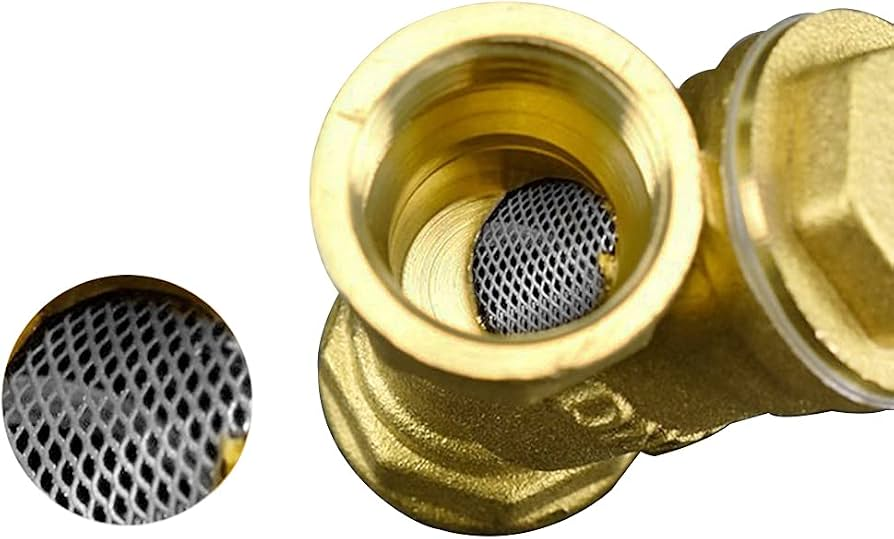
Brass Filter Valve Inside
Brass filter valves are commonly used in residential plumbing, commercial water systems, heating systems, and other fluid-control applications. The exact design depends on the working pressure, temperature, fluid type, flow rate, connection method, and filtration requirement.
How Does a Brass Filter Valve Work?
A brass filter valve mainly has two functions.1
The first function is filtration. Fluid enters the valve and passes through the filter screen. Solid particles are trapped by the screen, while cleaner fluid continues through the outlet.
The second function is flow control. Depending on the design, the valve can control or shut off the fluid flow. This feature can make maintenance easier because the downstream section can be isolated from the main pipeline.
The filter does not normally remove dissolved chemicals, bacteria, or very fine contaminants.2 A standard brass filter valve should therefore not be treated as a complete water purification system.
Why Is Brass Used for Filter Valves?
Brass is widely used for plumbing valves because it offers a practical balance between strength, durability, machinability, and cost.
| Feature | Benefit |
|---|---|
| Brass body | Provides a strong valve structure |
| Good machinability | Supports accurate threads and internal machining |
| Corrosion resistance | Suitable for many common plumbing environments |
| Mechanical strength | Supports pressure-bearing applications |
| Recyclability | Provides additional material value |
| Metal construction | Offers good durability for long-term use |
However, the word “brass” alone does not provide enough information about the material.
Different brass grades have different chemical compositions and properties. Some markets also have strict requirements for lead content and potable-water applications. Buyers should therefore request the exact material specification from the manufacturer.
What Specifications Should Be Checked?
Before comparing different brass filter valves, several specifications should be checked:
- Brass body material and grade
- Filter material
- Filter mesh size
- Nominal pressure
- Working temperature
- Connection size
- Thread standard
- Flow direction
- Seal material
- Drain or cleaning design
- Applicable certifications
- OEM and packaging options
For larger projects, technical drawings and test reports can also help confirm whether the product matches the application.
What Does Brass Filter Valve Do?
Pipeline contamination can create problems that are not always visible at first. Small particles can enter pumps, meters, boilers, faucets, heat exchangers, and other components.
A brass filter valve mainly removes solid particles from the fluid and provides flow control. This design can help protect downstream components, reduce blockage risks, and make maintenance more convenient.
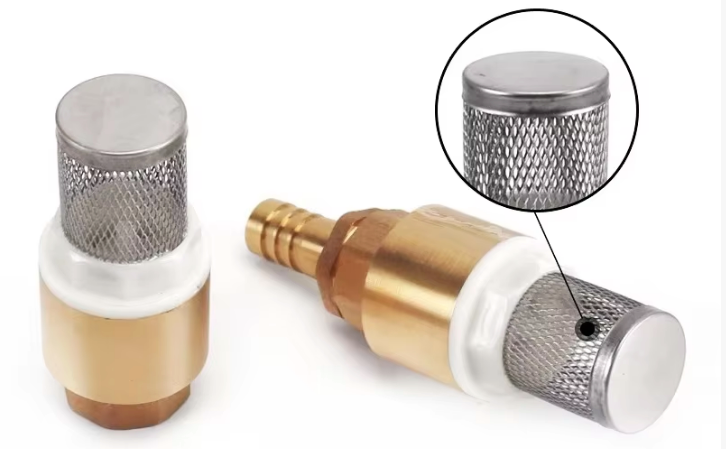
Brass Filter Valve Protecting Plumbing System
It Protects Downstream Components
A filter valve can work as a first line of protection against common pipeline debris.
During pipe cutting, installation, construction, and normal system operation, different types of particles can enter a pipeline. Common examples include:
- Sand
- Rust
- Metal particles
- Pipe scale
- Dirt
- Installation debris
When these particles reach sensitive components, they can affect system performance.
A pump may lose efficiency. A control valve may become blocked. A meter may experience problems. Small passages may also become restricted.
A filter valve cannot eliminate every contamination problem. However, it can reduce the amount of solid debris that moves through the system.
It Makes Maintenance Easier
Maintenance is another important benefit.
Many brass filter valves use a removable filter screen. The valve can be isolated, and the screen can then be removed and cleaned. Some designs also provide a drain outlet for easier removal of collected debris.
Maintenance frequency depends on the cleanliness of the fluid. A dirty pipeline can quickly load the filter. A cleaner system may require much less maintenance.
It Can Reduce System Problems
A filter valve is not a complete solution for every pipeline problem.
It cannot correct poor pipe design, incorrect pump selection, excessive pressure, or improper installation. Its main purpose is to control solid contamination and protect downstream equipment.
The correct filter valve can therefore be viewed as one part of a complete fluid-control system.
What Is the Difference Between a Filter Valve and a Normal Filter?
The main difference is that a filter valve combines filtration with valve functionality.
A standard filter or strainer mainly focuses on removing particles. A filter valve can provide filtration and flow isolation in the same component.
| Feature | Brass Filter Valve | Normal Filter/Strainer |
|---|---|---|
| Filtration | Yes | Yes |
| Flow isolation | Often available | Depends on system design |
| Installation | Can reduce components | May require a separate valve |
| Maintenance | Often convenient | Depends on design |
| Main function | Filtration + flow control | Filtration |
Product names can vary between manufacturers. Some products called “filter valves” may function mainly as strainers, while others include a dedicated shut-off function.
The internal structure and technical specification should always be checked before purchasing.
How Many Types of Brass Filter Valve Do You Know?
Brass filter valves can be classified in several ways. The most common methods include classification by body structure, connection type, installation direction, and filter design.
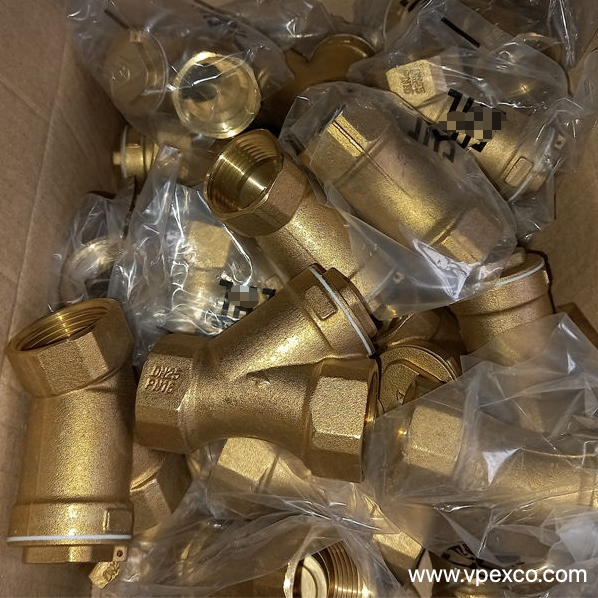
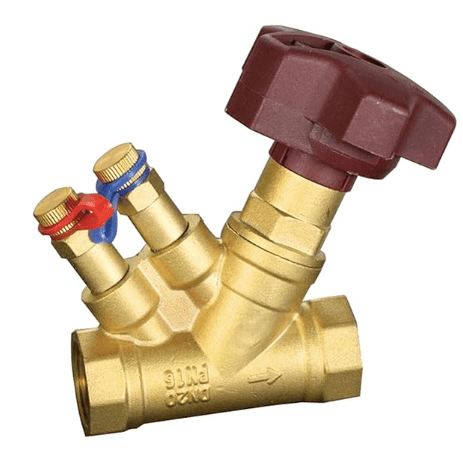
Common types include Y-type brass filter valves, straight filter valves, angle filter valves, and filter valves with drain functions.
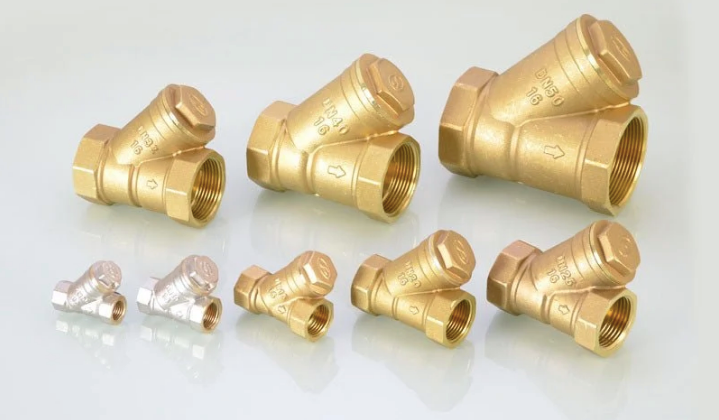
Different Types of Brass Filter Valves
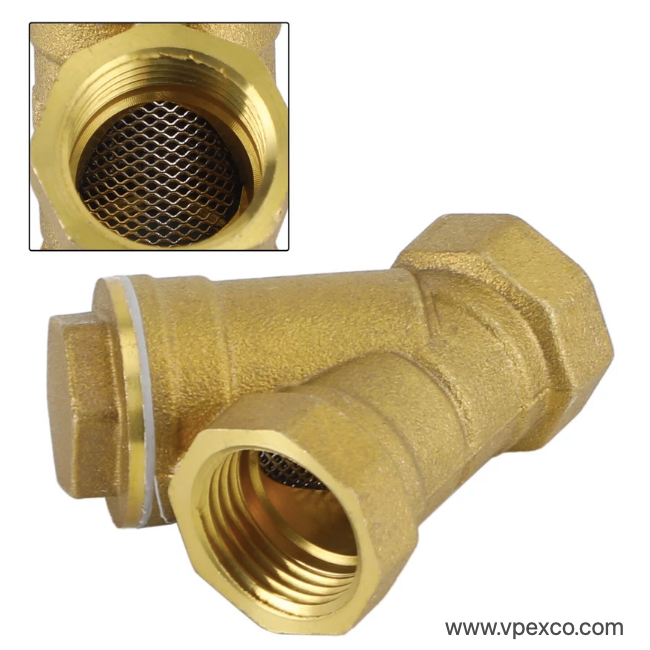
Y-Type Brass Filter Valve
The Y-type design is one of the most common filter structures.
The filter chamber is positioned at an angle to the main flow path. This structure creates a dedicated space for the filter screen.
The filter screen can usually be removed from the lower or angled section for cleaning. This design is often suitable for plumbing, heating, and general fluid systems where regular filter maintenance is required.
Straight Brass Filter Valve
A straight filter valve keeps the inlet and outlet on the same main axis.
This structure can be useful when the pipeline requires a compact and direct installation arrangement. It can also fit certain existing plumbing layouts more easily.
The internal flow path can differ from a Y-type design, so pressure drop and flow performance should still be checked.
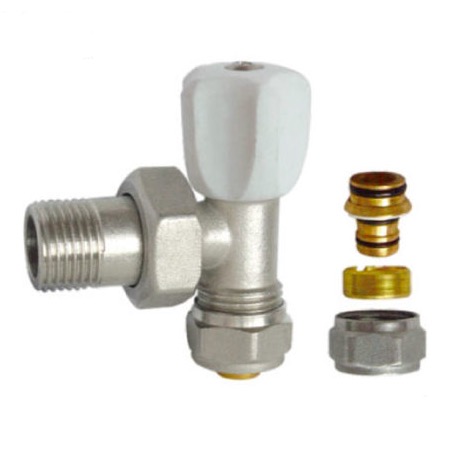
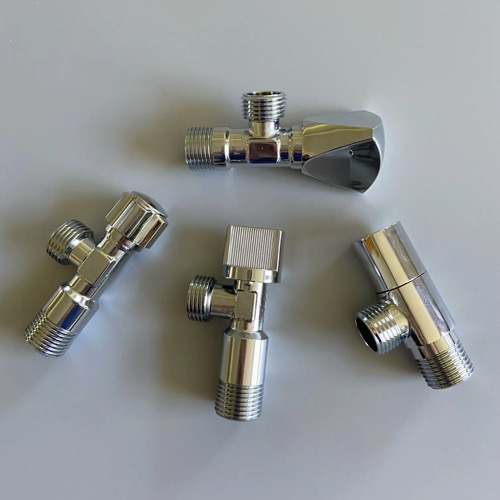
Angle Brass Filter Valve
An angle filter valve changes the direction of the fluid flow.
This design can be useful when installation space is limited or when the pipeline already requires a change in direction.
The main advantage is installation flexibility. However, the internal flow path can affect pressure loss, so the valve should be selected according to the required flow rate.
Brass Filter Valve With Drain
Some brass filter valves include a drain outlet.
This design allows accumulated debris to be discharged more easily. It can reduce the need to completely remove the filter screen during certain maintenance operations.
The drain design should match the working pressure and application. Safe operation under system pressure should always be confirmed before use.
Different Filter Mesh Designs
The filter screen is another major difference between brass filter valves.
A coarse screen can catch larger particles while creating relatively low resistance to flow. A finer screen can catch smaller particles, but it may become blocked more quickly.
| Filter Design | Main Consideration |
|---|---|
| Coarse mesh | Suitable for larger debris and lower resistance |
| Medium mesh | Suitable for general plumbing filtration |
| Fine mesh | Suitable for smaller particles |
| Removable screen | Easier cleaning |
| Replaceable element | Useful for regular replacement |
A finer mesh is not automatically better.
The correct mesh should match the particle size, required flow rate, acceptable pressure drop, and maintenance schedule.
How to Choose the Right Brass Filter Valve?
Choosing the right brass filter valve requires more than checking the pipe size. The complete working condition should be considered.
The right brass filter valve should match the fluid, pressure, temperature, flow rate, filtration requirement, connection standard, installation space, certification, and quality requirements.
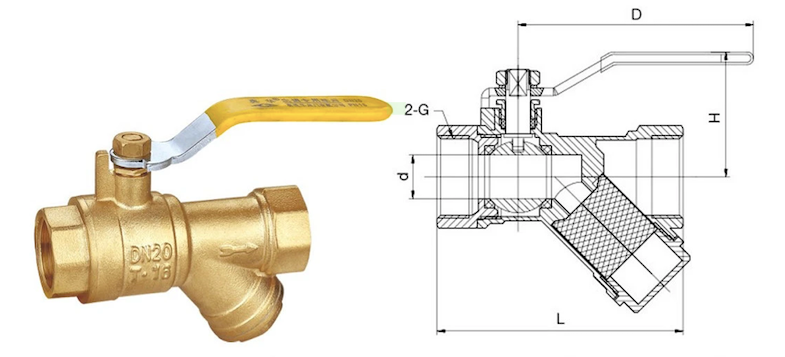
Choose Right Brass Filter Valve
1. Check the Application First
The application should be identified before selecting the valve.
A residential cold-water system may have different requirements from a commercial heating system. Heating systems can operate at higher temperatures. Gas applications can also have different safety and certification requirements.
The supplier should know the application before providing a final product recommendation.
2. Check the Size and Connection
The valve must match the pipeline.
Common nominal sizes include DN15, DN20, DN25, and larger sizes. However, the nominal size alone is not enough.
The thread standard must also be confirmed. BSP and NPT threads are different standards and should not be treated as interchangeable.
The connection type should also be checked. Common options include:
- Male thread
- Female thread
- Compression connection
- Solder connection
- Other customized connections
For international projects, the connection standard should be confirmed before mass production.
3. Check Pressure and Temperature
Working pressure and temperature are critical specifications.
The valve body, filter screen, seals, and other internal parts must be suitable for the actual operating conditions.
Buyers should check the rated pressure and working temperature in the technical documentation. Maximum pressure should also be considered together with temperature because material and seal performance can change at higher temperatures.
4. Select the Correct Filter Mesh
The filter mesh should be selected according to the contamination problem.
A fine mesh can capture smaller particles, but it can also create higher pressure loss and require more frequent cleaning.
A coarse mesh creates less resistance but may not remove the particles that need to be captured.
The goal is not to select the finest mesh. The goal is to select the mesh that provides the right balance between filtration and flow performance.
5. Check Pressure Drop
Pressure drop is often overlooked during purchasing.
If the filter is too restrictive for the required flow rate, the downstream system may not receive enough pressure.
Reliable suppliers should be able to provide flow or pressure-drop data under specific conditions. Products should be compared at similar flow rates to produce a useful technical comparison.
6. Check the Brass Material
The exact brass grade should be confirmed instead of relying on the general description “brass.”
Different brass grades have different properties. The correct material depends on the application, market requirements, and applicable standards.
For potable-water applications, additional requirements may apply. Material certificates and relevant compliance documents may also be needed.
7. Check Certification
Certification is especially important for international buyers.
A supplier should provide the actual certificate when certification is required. The buyer should check:
- Product model
- Manufacturer name
- Certificate number
- Applicable standard
- Validity
- Product scope
- Testing organization
A certificate for one product does not automatically prove compliance for every product from the same supplier.
The certificate should match the actual valve being purchased.
8. Check Supplier Quality Control
Good raw material does not guarantee a good finished valve.
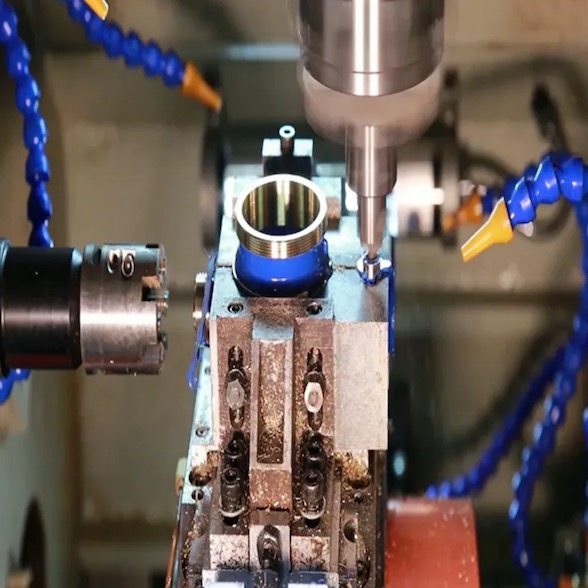
Quality control should cover machining, thread accuracy, filter assembly, sealing performance, pressure testing, surface treatment, and final inspection.
For OEM projects, batch consistency is also important. A good sample does not automatically mean every production batch will have the same quality.
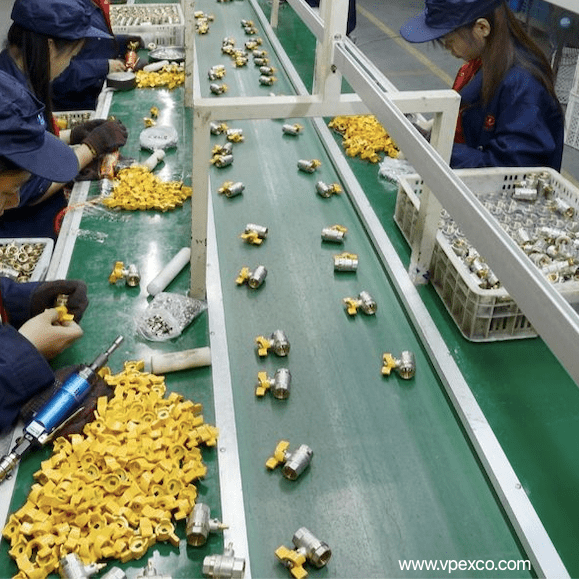
A professional manufacturer should have a clear quality-control process from raw material inspection to final product testing.
9. Compare Total Cost Instead of Unit Price
A low unit price can look attractive, but the real purchasing cost includes much more than the product itself.
| Cost Factor | Question to Ask |
|---|---|
| Unit price | Is the quotation competitive? |
| Tooling | Is additional tooling required? |
| Packaging | Does the packaging protect the valves? |
| Certification | Are testing costs included? |
| Logistics | What are the shipping cost and lead time? |
| Defect rate | How are quality problems handled? |
| After-sales service | How quickly can the supplier respond? |
For professional buyers, supplier communication and delivery reliability can be as important as the unit price.
A low-cost valve that arrives late or fails inspection can create a much higher total cost.
What Should Be Asked Before Ordering?
A clear supplier discussion can prevent many purchasing problems.
The following questions can help buyers evaluate a brass filter valve supplier:
- What brass grade is used?
- What is the working pressure?
- What is the working temperature?
- What filter mesh sizes are available?
- Which thread standards are available?
- What is the flow direction?
- Is the filter screen removable?
- How should the filter screen be cleaned?
- What certifications are available?
- Can a technical drawing be provided?
- Can samples be provided before mass production?
- What is the production lead time?
- What quality tests are performed?
- Is OEM or ODM service available?
For buyers who regularly source brass valves and fittings, a supplier comparison sheet can also make the purchasing process easier. Material, pressure rating, mesh size, certification, price, MOQ, lead time, inspection results, and payment terms can all be recorded in one place.
This approach helps turn supplier selection from a simple price comparison into a more complete purchasing decision.
A brass filter valve combines filtration and flow control to protect piping systems. The right choice depends on application, material, pressure, mesh, connection, certification, and supplier quality.
-
"How Does A Brass Filter Valve Work - Knowledge - Fengfan Piping", https://www.ifanbrass.com/info/how-does-a-brass-filter-valve-work-102780122.html. This source explains the dual functions of brass filter valves, focusing on filtration and flow control. Evidence role: definition; source type: encyclopedia. Supports: A brass filter valve mainly has two functions: filtration and flow control.. ↩
-
"Stainless & Brass Chemical Filter with Check Valve", https://www.vppdealers.com/stainless-and-brass-chemical-filter-with-check-valve-23-0068. This source discusses the limitations of brass filter valves in removing dissolved chemicals, bacteria, and fine contaminants. Evidence role: mechanism; source type: education. Supports: The filter does not normally remove dissolved chemicals, bacteria, or very fine contaminants.. Scope note: The source may not cover all types of brass filter valves, as some specialized designs might address these limitations. ↩