I often see HVAC systems fail quietly. Rooms feel uneven. Energy bills rise. Most people ignore the root cause until comfort becomes a problem.
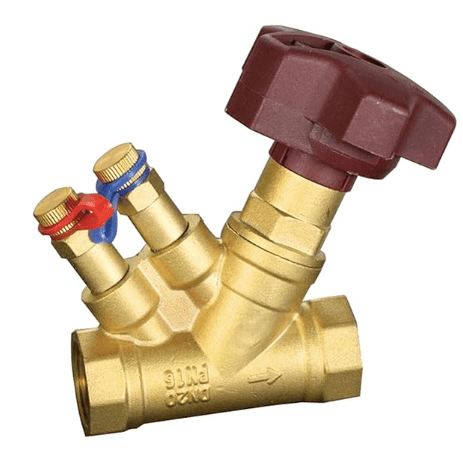
A balancing valve in an HVAC system controls water flow to ensure even distribution across all circuits, improving comfort, efficiency, and system performance.
When I first worked with hydronic systems, I underestimated balancing. Later, I realized it is not optional. It is the difference between a system that works and one that works efficiently.
What is balancing in HVAC?
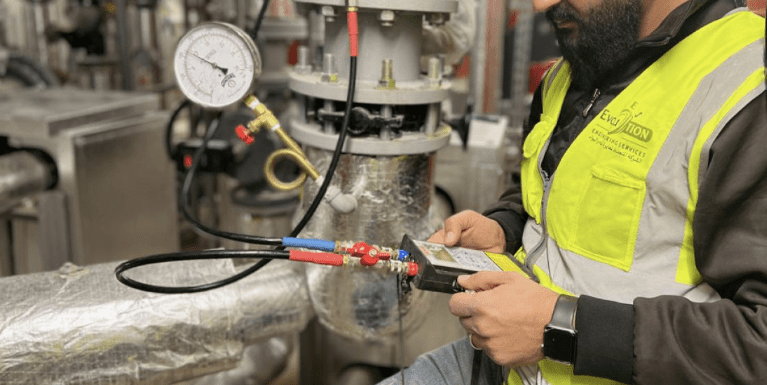
HVAC System Sater Flow Balancing
Uneven heating or cooling frustrates users. Some rooms overheat while others stay cold. This issue often comes from poor flow distribution1.
Balancing in HVAC2 means adjusting the flow of water or air so each terminal unit receives the correct amount, ensuring consistent performance across the system.
Balancing is not just a technical step. It is a necessary process to make sure the design intent becomes reality.
Understanding HVAC balancing in practice
When I handle a project, I always start by checking flow distribution. HVAC systems, especially hydronic ones, rely on precise flow rates. Each terminal unit, such as a radiator or fan coil, is designed for a specific flow. If that flow changes, performance drops.
Why imbalance happens
There are several reasons why systems become unbalanced:
- Pipe lengths vary across the system
- Pressure differences exist between circuits
- Installation changes from original design
- Lack of proper commissioning
Key impacts of poor balancing
| Issue | Result |
|---|---|
| Uneven flow | Hot and cold spots |
| Excess flow | Noise and energy waste |
| Insufficient flow | Poor heating or cooling |
| Pump inefficiency | Higher operating costs |
My field experience
I once worked on a commercial building project. The client complained about inconsistent temperatures. After inspection, I found no balancing had been done. Once we adjusted the system, comfort improved immediately.
Balancing is not complex. But skipping it creates long-term problems. That is why I always treat it as a critical step in commissioning.
What is balancing valve?
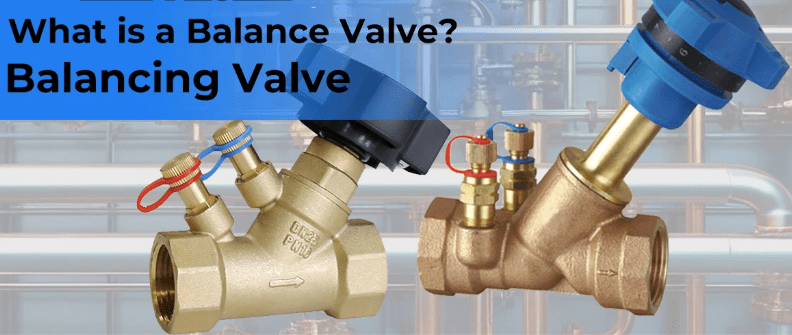
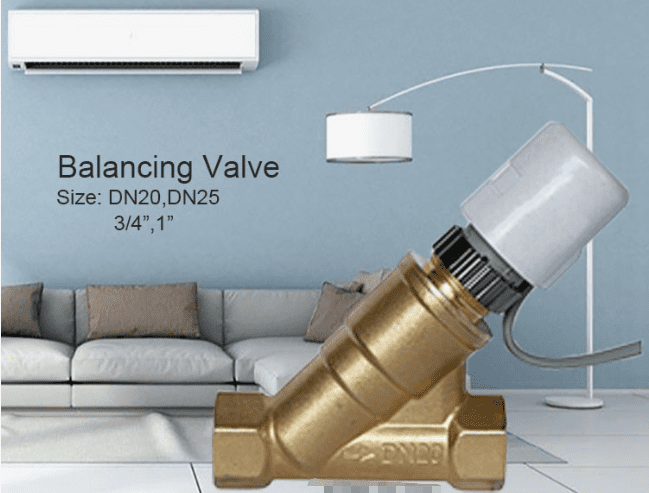
Balancing Valve
Many buyers confuse control valves with balancing valves. This confusion leads to wrong selections and system issues.
A balancing valve is a device used in HVAC systems to regulate and measure flow, ensuring each part of the system receives the correct amount of water.
Balancing valves are not just about control. They are about precision.
Types of balancing valves
From my experience, there are two main types:
1. Manual balancing valves
- Require manual adjustment
- Use flow charts or measurements
- Lower cost
2. Automatic balancing valves
- Maintain constant flow automatically
- Adjust to pressure changes
- Higher initial cost but better efficiency
Key components of a balancing valve
| Component | Function |
|---|---|
| Valve body | Controls flow path |
| Measuring ports | Allow flow and pressure testing |
| Adjustment knob | Sets desired flow |
| Scale indicator | Shows valve position |
How I choose the right valve
When I help clients select valves, I focus on:
- System size
- Required accuracy
- Budget constraints
- Maintenance capability
For small systems, manual valves are enough. For large commercial systems, I always recommend automatic ones.
Common mistakes I see
- Using control valves instead of balancing valves
- Ignoring flow measurement
- Selecting low-quality materials
These mistakes lead to poor system performance and customer complaints.
Why balancing valve is needed?
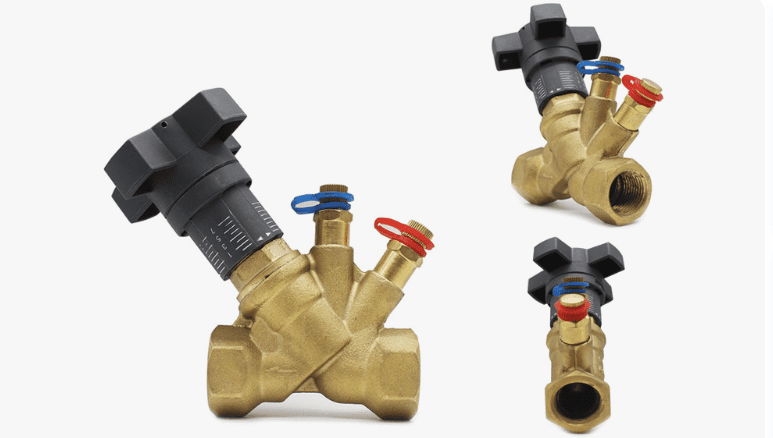
Balancing Valve HVAC energy efficiency and flow control
Many people think balancing valves are optional. This is a costly misunderstanding.
Balancing valves are needed to ensure proper flow distribution, reduce energy consumption, improve comfort, and protect HVAC system components.
Without balancing valves, systems rely on guesswork.
Core reasons for using balancing valves
1. Ensure correct flow distribution
Each unit needs a specific flow rate. Balancing valves make this possible.
2. Improve energy efficiency
When flow is correct, pumps do not overwork. This reduces energy use.
3. Enhance system stability
Balanced systems respond better to load changes.
4. Reduce noise and wear
Excess flow often causes noise and damages components.
Cost vs value analysis
| Factor | Without Balancing Valve | With Balancing Valve |
|---|---|---|
| Energy consumption | High | Lower |
| Comfort level | Inconsistent | Stable |
| Maintenance cost | Frequent | Reduced |
| System lifespan | Shorter | Longer |
My real-world observation
I worked with a client who wanted to cut costs by removing balancing valves. After one year, they faced high energy bills and complaints. They ended up reinstalling valves. The total cost doubled.
So I always tell clients: do not save money in the wrong place.
Long-term benefits
Balancing valves:
- Protect system investment
- Improve user satisfaction
- Reduce operational risks
In my experience, they pay for themselves quickly.
How does a balancing valve work?
Balancing Valve Flow Adjustment
Many users install balancing valves but do not fully understand how they work. This leads to improper use.
A balancing valve works by restricting or adjusting flow through a valve opening, using pressure measurement and calibrated settings to achieve the desired flow rate.
Understanding the working principle helps improve system performance.
Basic working principle
Balancing valves operate based on flow resistance. When you adjust the valve, you change the resistance in the pipe. This directly affects flow rate.
Step-by-step operation
1. Measure system pressure
Using measuring ports, you check pressure difference.
2. Calculate flow rate
Flow is derived from pressure readings and valve characteristics.
3. Adjust valve position
You turn the adjustment knob to reach target flow.
4. Lock the setting
Once set, the valve maintains the position.
Manual vs automatic working
| Type | Working Method |
|---|---|
| Manual | Fixed setting based on calculation |
| Automatic | Self-adjusts to maintain constant flow |
Important technical concept
Flow through a valve depends on pressure difference. This relationship is key to understanding balancing.
My hands-on approach
When I commission a system, I always:
- Measure actual flow, not just estimate
- Use calibrated tools
- Record valve positions
This ensures repeatability and accuracy.
Common issues during operation
- Incorrect pressure readings
- Over-adjustment of valves
- Ignoring system changes
Practical tip from my experience
Always balance from the most remote branch first. This ensures the entire system stabilizes properly.
Balancing valves are simple devices. But their impact is huge. When used correctly, they transform system performance.
Balancing valves ensure proper flow, improve efficiency, and stabilize HVAC systems. From my experience, they are essential for long-term performance and cost control.
CONTACT VPEXCO